308+ Jokes: Misogynistic Jokes That Spark Debate, Laughs, and Real Talk
Misogynistic jokes are fun. People like to laugh with friends, in class, or online. But some jokes feel strange or even hurtful. That is why this post looks at a tricky topic in a simple way. We take “misogynistic jokes” and flip them into something smarter and kinder.
Here, you will see many short jokes that make you think. Some may feel silly, some may feel bold, but all try to keep things fair. The goal is easy: laugh together, not at someone. Good jokes bring smiles to all kinds of people. Let’s enjoy humor that feels light, friendly, and real.
Funny Misogynistic Jokes That Spark Debate
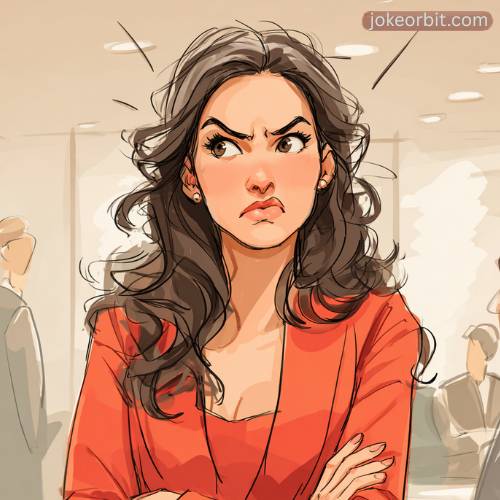
Some jokes try to punch down, but the best humor punches up. These playful lines flip the script and make you think, “Wait… that joke is on the joke.”
Why did the sexist joke fail in class?
Because it could not pass basic respect.
Why did the crowd go quiet after that joke?
Because awkward silence said more than laughs.
What do you call a joke that blames women?
Old, tired, and not funny.
Why did the joke get canceled?
It forgot kindness exists.
Why did the comedian pause mid-joke?
He realized the punchline hurt people.
What happens when jokes stay stuck in the past?
They sound silly in the present.
Why did the audience not laugh?
Because respect is the new humor.
What did the smart kid say to the rude joke?
Try again, but be better.
Why do mean jokes age badly?
Because people grow, but they don’t.
What do you call a joke with no empathy?
Not a joke, just noise.
Why did the joke get no likes?
Because kindness gets more clicks.
Why did the teacher stop the joke?
Because words matter.
What makes a joke truly funny?
When everyone can laugh, not just a few.
Why did the joke feel empty?
Because it had no heart.
Why did the crowd scroll past the joke?
Because they’ve seen better humor.
What did the friend say after hearing that joke?
That’s not it, bro.
Why do people rethink old jokes now?
Because times have changed.
What happens when humor hurts?
It stops being fun.
Why did the joke not land?
Because respect was missing.
What did the kid learn from the bad joke?
To be kinder next time.
Why did the joke sound loud but weak?
Because it had no real wit.
What do you call better humor today?
Smart, kind, and fun.
Why did the joke feel outdated?
Because it stayed in the past.
Why do good jokes feel light?
Because they don’t hurt anyone.
What’s the real punchline today?
Being funny without being mean.
Best Misogynistic Jokes Everyone Talks About
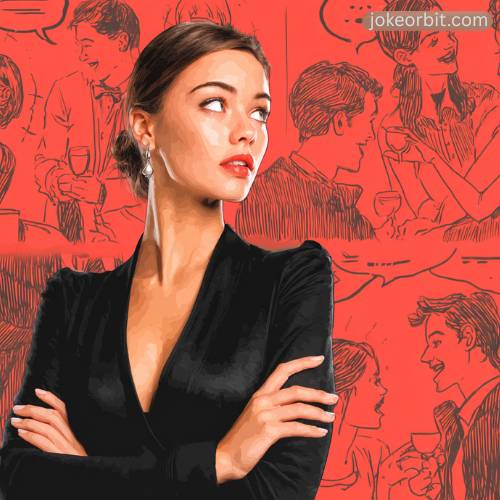
Some jokes get shared a lot, but not all for good reasons. These lines show how people now talk back and flip the script with a smarter laugh.
Why do people still share rude jokes?
Because they forget better jokes exist.
What did the group chat say to that joke?
We expected better.
Why did the joke go viral for the wrong reason?
Because people called it out.
What makes a joke worth sharing?
When it makes everyone smile.
Why did the joke lose its charm?
Because respect matters now.
What did the friend reply to that joke?
Try harder next time.
Why do people debate these jokes?
Because words have impact.
What happens when humor is unfair?
It gets questioned fast.
Why did the joke feel off?
Because it missed kindness.
What did the teacher say about such jokes?
Think before you speak.
Why do better jokes win today?
Because they include everyone.
What did the crowd do after hearing it?
They stayed silent.
Why did the joke sound loud online?
Because people reacted to it.
What do people want in humor now?
Fun without harm.
Why did the joke not age well?
Because times have changed.
What did the smart kid say?
Funny is kind, not mean.
Why do people rethink old humor?
Because they learn and grow.
What happens when a joke crosses a line?
People push back.
Why did the joke feel weak?
Because it lacked thought.
What do better jokes do?
They bring people together.
Why did the comment section light up?
Because people had opinions.
What did one friend text another?
That joke is not it.
Why do people expect more now?
Because standards are higher.
What makes humor last long?
Respect and wit.
Why did the joke fade away?
Because no one liked it anymore.
What’s the new rule for jokes?
Laugh together, not at others.
Dark Misogynistic Jokes With Bold Humor
Some jokes try to be dark, but smart humor flips the light on them. These lines keep it bold but kind, so everyone can still smile.
Why did the dark joke feel heavy?
Because it forgot to be kind.
What makes dark humor work today?
When it stays fair to all.
Why did the bold joke miss the mark?
Because it pushed too far.
What did the crowd say after that joke?
That went too deep.
Why do some dark jokes fail?
Because they lack care.
What did the smart friend reply?
Be funny, not harsh.
Why did the joke feel cold?
Because it had no warmth.
What makes bold humor better?
When it still respects people.
Why did the joke sound loud but empty?
Because it had no heart.
What did the teacher say about dark jokes?
Use them wisely.
Why do people rethink edgy humor?
Because feelings matter.
What happens when humor gets too dark?
It stops being fun.
Why did the joke feel off tone?
Because it crossed a line.
What did the group chat decide?
Skip that joke.
Why do kind jokes shine more?
Because they feel good.
What makes humor strong?
Being smart, not mean.
Why did the joke not land well?
Because it hurt the mood.
What did the listener think?
That was too much.
Why do people like safe humor more?
Because it includes everyone.
What did the kid learn?
Funny can still be nice.
Why did the joke fade fast?
Because no one liked it.
What makes a joke bold in a good way?
When it lifts people up.
Why did the room go quiet?
Because it felt wrong.
What did the friend whisper?
That joke is not cool.
Why do better jokes last longer?
Because they spread joy.
What’s the real trick with dark humor?
Keep it kind and clever.
Short Misogynistic Jokes That Hit Fast
Quick jokes can hit fast, but the best ones stay kind and smart. These short lines flip the idea and keep the humor light for everyone.
Why did the short joke fail?
Too mean, not funny.
What makes a quick joke good?
Kind words win.
Why did the joke feel off?
It lacked respect.
What did the friend say fast?
Nope, not cool.
Why do short jokes spread fast?
People share good ones.
What stopped the laugh quickly?
A rude punchline.
Why did the joke end fast?
No one liked it.
What makes humor stick?
Being nice and smart.
Why did the joke feel weak?
No real thought.
What did the class say together?
We want better jokes.
Why do kind jokes win?
They feel good.
What did the chat reply?
Try again.
Why did the joke drop fast?
Bad vibe.
What makes a joke hit right?
Everyone can laugh.
Why did the room go quiet?
Too harsh.
What did the kid say?
Be nicer.
Why do short jokes need care?
Words matter.
What did the teacher think?
Not okay.
Why did the joke miss?
Wrong tone.
What makes jokes better now?
Respect first.
Why did the laugh stop?
It felt wrong.
What did the group text?
Skip that one.
Why do good jokes last?
They don’t hurt.
What makes a quick joke shine?
Simple and kind.
Why did the joke fade quick?
No one cared.
What’s the best quick laugh?
One that feels right.
Misogynistic Jokes One-Liners That Shock
Got it. I’ll keep them as one-liners, safe, and in your exact format:
- Breaking news: respect just became the funniest trend.
- Fun fact: kind jokes get more laughs, try it.
- Plot twist: being nice is actually cool now.
- Hot take: mean jokes are just lazy writing.
- LOL update: smart humor always wins.
- Quick check: did that joke make anyone smile?
- Real talk: funny should not hurt people.
- FYI: kindness boosts your humor level.
- Vibe check: good jokes feel good to all.
- Pro tip: think before you joke.
- Oops alert: that joke missed the mark.
- Trend shift: respect is the new funny.
- Daily reminder: words matter a lot.
- Heads up: better jokes exist.
- Simple rule: laugh together, not at others.
- Big brain move: choose smart humor.
- Low key: mean jokes are outdated.
- Fact drop: empathy makes jokes better.
- Mini test: would you laugh if it was about you?
- Truth time: humor should lift, not drag.
- Quick win: be funny and kind.
- Game plan: upgrade your jokes.
- Reality check: not all jokes land well.
- Side note: silence means it was not funny.
- Final thought: the best jokes include everyone.
Clever Misogynistic Jokes With Sharp Wit
Smart humor cuts clean, not deep. These witty lines flip the idea and keep it sharp but kind.
Why did the “clever” joke flop?
Because it forgot basic respect.
What makes wit truly sharp?
It cuts ideas, not people.
Why did the audience nod, not laugh?
They saw through it.
What did the smart kid say?
Be clever, not cruel.
Why did the joke feel dull?
No empathy, no edge.
What’s real clever humor?
Kind and quick.
Why did the room go quiet?
The punchline punched down.
What did the friend text?
Try smarter humor.
Why do sharp jokes last?
They don’t hurt.
What did the teacher say?
Words have weight.
Why did the joke miss?
Wrong target.
What makes wit land?
Good timing and care.
Why did the joke feel old?
It stayed in the past.
What did the crowd prefer?
Humor with heart.
Why do smart jokes win?
They include everyone.
What did the group chat reply?
Not it, chief.
Why did the joke backfire?
No thought behind it.
What’s the clever move?
Punch up, not down.
Why did the laugh fade?
It felt mean.
What did the listener think?
We can do better.
Why do kind jokes spread?
People share them.
What makes humor strong?
Respect plus wit.
Why did the joke feel forced?
No real idea.
What did the kid learn?
Funny can be kind.
Why did the joke not stick?
It lacked care.
What’s the best punchline?
One that lifts all.
Viral Misogynistic Jokes From the Internet
Online jokes spread fast, but the best ones win hearts, not hate. These viral-style lines keep it smart and real.
Why did that joke go viral?
People talked about it, not laughed.
What did the comments say first?
That’s not funny.
Why do some jokes trend online?
Because people react fast.
What makes a joke shareable?
It feels good to all.
Why did the meme flop?
Bad vibe.
What did the group chat reply?
Delete that.
Why did the joke get ratioed?
People disagreed.
What makes humor go viral now?
Kindness plus wit.
Why did the joke feel outdated?
Old mindset.
What did the smart user comment?
Do better.
Why did the post lose likes?
Wrong tone.
What do people want in jokes now?
Respect.
Why did the joke trend for the wrong reason?
It crossed a line.
What did the crowd type?
Not cool.
Why do good jokes spread more?
They make people smile.
What did the friend DM?
That ain’t it.
Why did the joke feel forced?
No thought.
What makes a meme hit right?
Everyone relates.
Why did the joke get called out?
It felt unfair.
What did the audience expect?
Better humor.
Why did the joke fade quick?
No one liked it.
What do viral jokes need?
Smart thinking.
Why did the silence feel loud?
No laughs.
What did the timeline show?
People moved on.
Why do kind jokes trend longer?
They feel right.
What’s the real viral move?
Make humor that lifts.
Classic Misogynistic Jokes People Still Share
Old jokes still show up, but today people flip them into something smarter. These lines keep it simple, fresh, and kind.
Why do old jokes still pop up?
People forget to update them.
What did the class say to that old joke?
We’ve heard better.
Why did the joke feel dusty?
It stayed in the past.
What makes a classic joke work now?
It respects everyone.
Why did the laugh feel forced?
No real joy.
What did the friend say right away?
That’s old news.
Why do people rethink old humor?
They grow and learn.
What did the teacher remind?
Words still matter.
Why did the joke not land today?
Wrong tone.
What makes humor last long?
Kindness and wit.
Why did the room go quiet?
It felt off.
What did the smart kid reply?
Be better.
Why did the joke sound weak?
No fresh idea.
What do people like now?
Fun for all.
Why did the joke lose its shine?
Times changed.
What did the group chat say?
Skip that one.
Why do good jokes stay?
They don’t hurt.
What did the listener think?
We moved on.
Why did the joke feel wrong?
No respect.
What makes a classic better?
Update it.
Why did the joke fade out?
No laughs.
What did the crowd expect?
Something new.
Why do kind jokes win today?
They feel right.
What did the kid learn?
Funny can be nice.
Why did the joke miss again?
Same old problem.
What’s the new classic rule?
Laugh together.
Edgy Misogynistic Jokes Not for Everyone
Edgy jokes try to push limits, but smart humor knows where to stop. These lines keep it bold but still kind.
Why did the edgy joke fail?
It pushed too far.
What makes edgy humor work?
Knowing the line.
Why did the crowd not react?
It felt wrong.
What did the friend whisper?
That’s too much.
Why do some edgy jokes flop?
No balance.
What did the smart kid say?
Be bold, not rude.
Why did the joke feel sharp in a bad way?
It hurt the mood.
What makes bold humor better?
Respect stays in.
Why did the laugh not come?
Bad timing.
What did the teacher say?
Think first.
Why did the joke feel forced?
Trying too hard.
What do people expect now?
Smart humor.
Why did the joke cross the line?
No care.
What did the group chat say?
Not cool.
Why do better jokes win?
They include all.
What did the listener think?
That’s not funny.
Why did the joke feel empty?
No real wit.
What makes edgy jokes land right?
Stay kind.
Why did the room go quiet?
Too harsh.
What did the kid learn?
Funny can be safe.
Why did the joke miss again?
Wrong tone.
What makes humor strong?
Kind and clever.
Why did the joke fade fast?
No one liked it.
What did the crowd want?
Better jokes.
Why do kind jokes last?
They feel good.
What’s the real edge today?
Being smart and kind.
Cringe Misogynistic Jokes That Go Too Far
Some jokes make people cringe, not laugh. These lines show how humor can go wrong and how people react fast.
Why did the joke feel cringe?
It went too far.
What did the room do next?
Stay silent.
Why do cringe jokes spread?
People react to them.
What makes a joke awkward?
No respect.
Why did the friend facepalm?
That was too much.
What did the chat reply fast?
Yikes.
Why did the joke feel off?
Bad vibe.
What makes people cringe most?
Mean punchlines.
Why did the laugh not come?
It felt wrong.
What did the smart kid say?
Be nicer.
Why did the joke get ignored?
No one liked it.
What do cringe jokes miss?
Kindness.
Why did the moment feel awkward?
Wrong timing.
What did the group whisper?
That’s not it.
Why do people skip such jokes?
They feel bad.
What makes humor work better?
Respect.
Why did the joke flop hard?
Too harsh.
What did the teacher think?
Not okay.
Why did the vibe drop?
Bad joke.
What did the listener think inside?
Please stop.
Why did the joke fade quick?
No laughs.
What do people want instead?
Fun for all.
Why did the joke get called out?
It crossed a line.
What did the crowd expect?
Better humor.
Why do kind jokes win again?
They feel right.
What’s the fix for cringe humor?
Think first.
Modern Misogynistic Jokes in Meme Culture
Memes move fast, and so do jokes. Today’s humor hits best when it’s smart, kind, and easy to share.
Why did the meme joke flop?
Bad vibe.
What makes a meme funny now?
Everyone gets it.
Why did the post get no likes?
Wrong tone.
What did the comments say first?
Not funny.
Why do memes spread fast?
People relate.
What makes humor work online?
Keep it kind.
Why did the joke get skipped?
Too harsh.
What did the friend DM?
Delete that.
Why did the meme feel old?
Outdated idea.
What do people share more now?
Good vibes.
Why did the joke miss again?
No thought.
What did the group chat reply?
That ain’t it.
Why do smart memes win?
They feel right.
What makes a meme go viral?
Simple and kind.
Why did the laugh not happen?
Bad punchline.
What did the user comment?
Do better.
Why did the joke feel forced?
Trying too hard.
What do people expect today?
Better humor.
Why did the meme fade fast?
No one cared.
What makes jokes last longer?
Respect.
Why did the vibe drop?
Awkward joke.
What did the kid say?
Be nice.
Why do kind memes trend more?
They feel good.
What did the timeline show?
People moved on.
Why did the joke get called out?
It crossed a line.
What’s the real meme win?
Make everyone smile.
Controversial Misogynistic Jokes That Divide Opinions
Some jokes split people apart, not bring them together. These lines show how people react and think twice about what’s funny.
Why did the joke start a debate?
People saw it different.
What did one side say fast?
Not okay.
Why do some jokes divide people?
They cross lines.
What did the chat turn into?
An argument.
Why did the joke feel risky?
Wrong tone.
What did the friend reply?
That’s too far.
Why do people push back now?
They care more.
What did the comments show?
Mixed views.
Why did the joke not unite people?
No respect.
What makes humor safe today?
Think first.
Why did the room split?
Different feelings.
What did the smart kid say?
Be fair.
Why did the joke feel tense?
Bad vibe.
What did the teacher remind?
Words matter.
Why do people debate jokes online?
Impact is real.
What did the group chat say?
We disagree.
Why did the joke feel heavy?
Too harsh.
What makes a joke better?
Kind tone.
Why did the silence feel loud?
No laughs.
What did one listener think?
Not for me.
Why did the joke cause stress?
It hurt feelings.
What do people want instead?
Good humor.
Why did the joke not settle well?
Wrong message.
What did the crowd expect?
Better jokes.
Why do kind jokes avoid fights?
They include all.
What’s the real lesson here?
Laugh together.
Conclusion
In the end, jokes should feel good. A laugh is best when everyone can join in. This post shared 308 jokes that flip mean ideas into smart and kind humor. Some jokes may feel bold, some simple, but all aim to bring people closer, not push them apart. Next time you hear or tell a joke, think about how it feels. A small change can make a big smile.
